Crime Scene Cleanup
Crime scene cleaning begins after police release and covers blood, odor and the affected property.
See crime scene cleanupFor sewage, hoarding, death, blood, crime scene or another need in ZIP 60106, call to request biohazard cleanup.
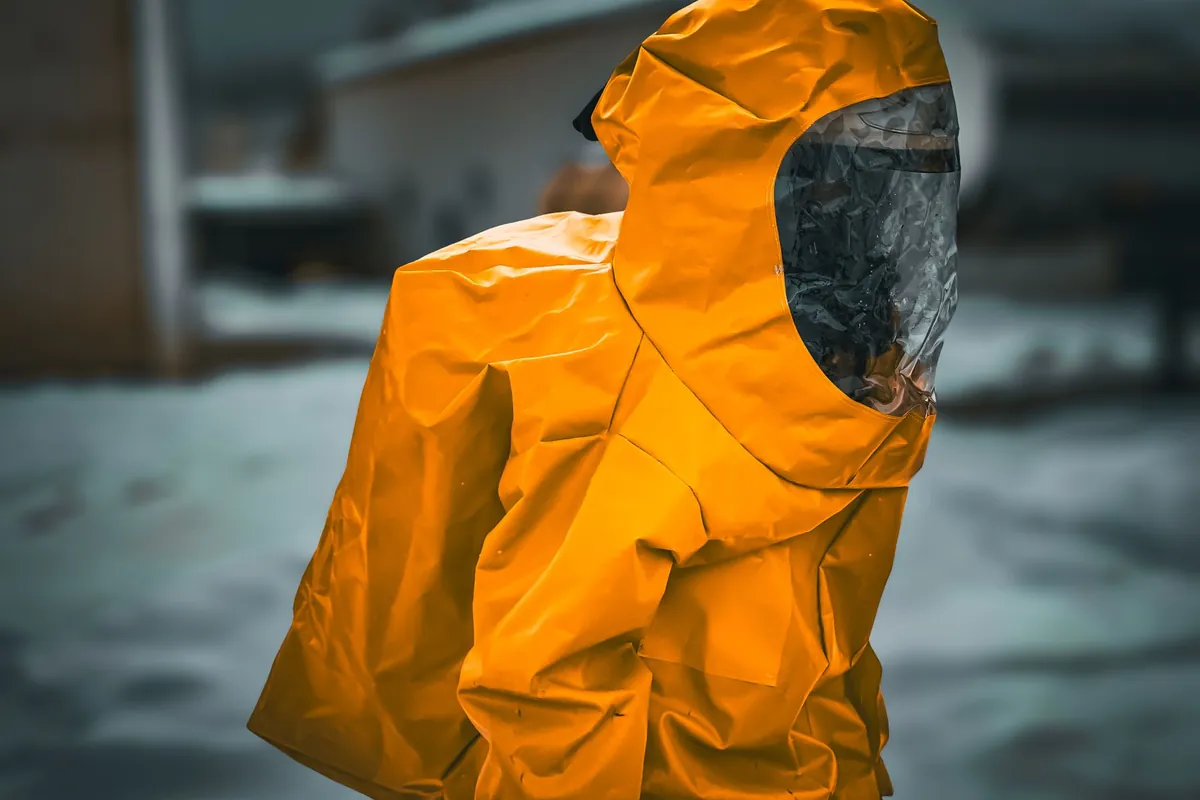
Biohazard cleanup is the safe removal, disinfection and disposal of blood, bodily fluids, tissue and other infectious or hazardous materials after a death, a crime, an accident, a hoarding situation or a sewage backup.
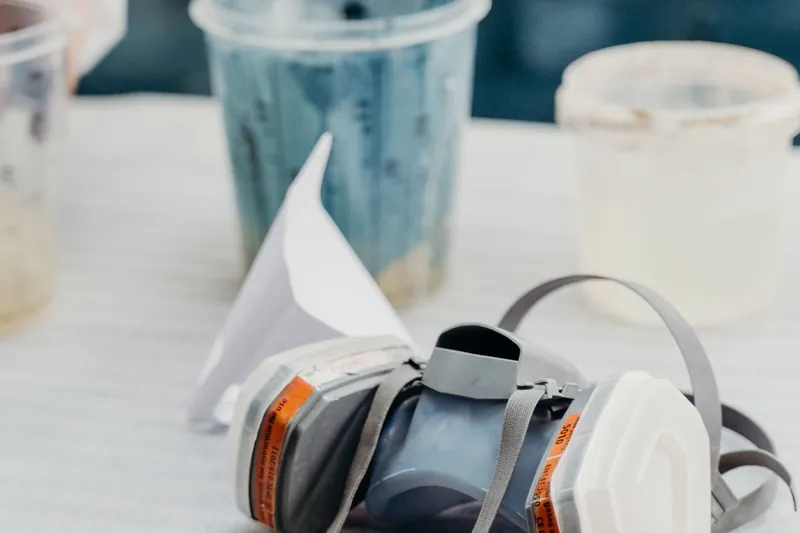
Other names include biohazard remediation, bio hazard cleaning, bio cleanup and trauma cleanup. Professional biohazard cleanup goes further than deep cleaning: technicians wear personal protective equipment, find every place contamination reached, remove porous materials that cannot be disinfected and treat the affected areas until they are back to a livable condition.
Planning for access, containment and cleanup can depend on local population, housing and entry conditions.
The 46.7% rental share makes it important to identify the decision maker before porous building materials are removed.
Because the median home dates to 1970, cleanup plans should distinguish washable surfaces from absorbent carpet, padding, and wallboard.
A 24.4% share living alone still matters because delayed discovery can increase odor movement and the amount of affected material.
Single-family homes represent 54.7% of housing in 60106, creating a mix of detached properties and buildings with shared spaces.
Pick a listed service or call when you need help finding the page suited to your situation.
Crime scene cleaning begins after police release and covers blood, odor and the affected property.
See crime scene cleanup
Cleanup after an undiscovered death includes odor control and the effects of days of decomposition.
See unattended death cleanup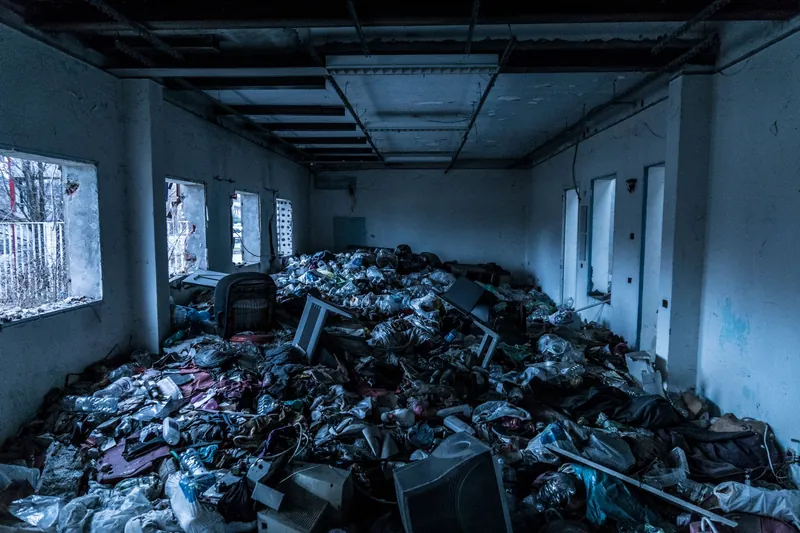
Deep cleaning, respectful sorting and removal are all part of hoarding cleanup.
See hoarding cleanup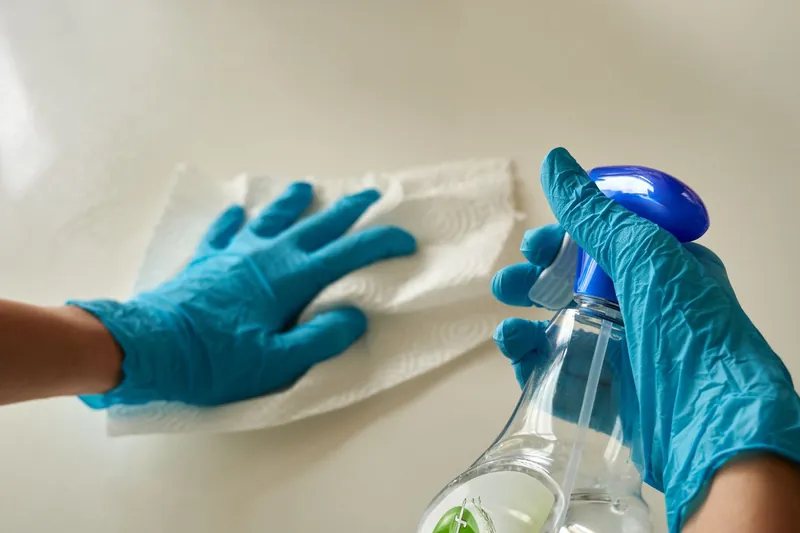
Blood cleanup clears blood from furniture, walls, hard floors and carpet, followed by safe disposal.
See blood cleanup
Disinfection and drying follow sewage cleanup of Category 3 black water from raw sewage.
See raw sewage cleanup
Air scrubbers, hydroxyl and ozone treatment support death odor removal at its source.
See death odor removalA service link takes you to the nearest location page, with the main city page used if none is closer.
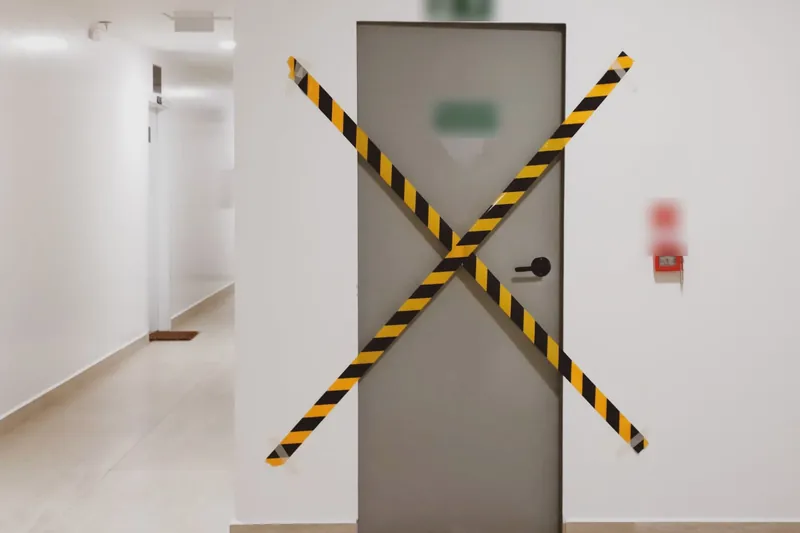
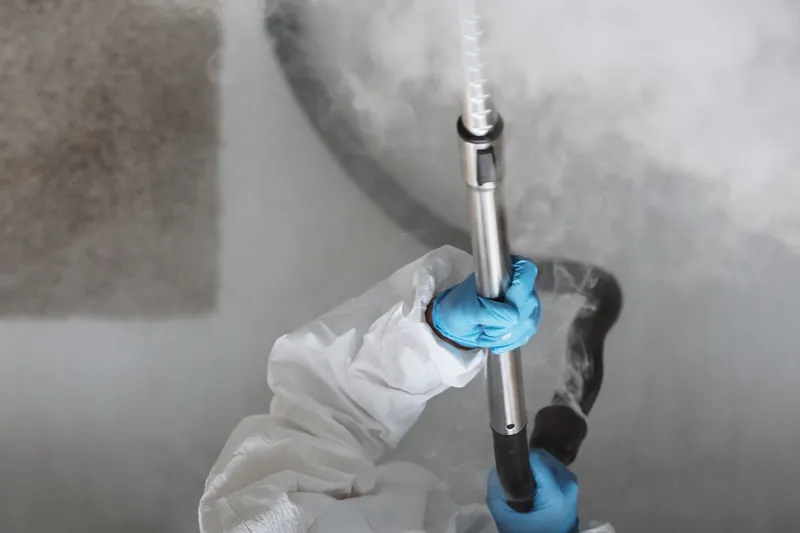
For most people, this happens only once. Following the right opening steps helps protect your health while preserving your claim and cleanup cost.
Call (888) 440-9227Fixr lists $3,000 to $5,000 as a typical national range for biohazard cleanup. The type of job changes the price. Guides put minor blood cleanup at $500 to $2,500, with sewage backup work at $2,000 to $10,000. An on-site assessment determines the actual price.
Yes, often. After a sudden death, crime or sewage backup, homeowners or renters insurance often covers biohazard cleanup minus your deductible.
The Illinois Attorney General's Crime Victim Services Division lists crime scene cleanup among the costs its compensation program can help offset, so victims of violent crime can ask about it. Insurance is usually checked first.
Payment for death cleanup can often come out of the estate. A family member or the estate executor normally manages this task.
Owners or property managers usually pay for and organize cleanup inside rental units and shared areas.
Sudden and accidental events are usually covered. Coverage usually does not apply to hoarding or ongoing neglect. Ask your insurer before work starts.
Call at any time. Ask a specialist to clarify what happens next in the cleanup process.
Biohazards are real health hazards that can make people seriously ill, and the contamination you can see is rarely all of it.
Hepatitis C and B, along with HIV, can survive in blood. The CDC reports that hepatitis B can remain on surfaces for at least seven days.
Fluids, gases and bacteria from decomposition can penetrate flooring and move into other rooms through ventilation.
Raw sewage carries E. coli, salmonella and hepatitis A, and wet materials can grow mold within 24 to 48 hours.
Bleach and sprays treat surfaces but do not remove fluids absorbed by carpet pad, subfloor or drywall. If contaminated matter is left behind, bacteria and odor return. Decontamination services remove that matter.
The process, every step of cleanup and all price factors are explained to you before anything gets removed. You face neither pressure nor surprises.
Photos of the work, notes on its scope and disposal records are prepared for your landlord, insurance company or the state victim program.
There is no judgment around neglect or hoarding, only consideration for your family during a difficult time. Keepsakes, photos and documents are set aside for you.
You can call for emergency service at any hour, and crews come in unmarked vehicles so nearby residents and building staff are not told what occurred.
Each job follows the same safe biohazard cleanup process, beginning with your call and ending with the final inspection.
You describe the incident. You and the technicians agree on the scope after they inspect the scene and take photos.
Technicians enclose the affected area in plastic so other parts of the property stay separated.
After infectious materials soak into carpet, pad, drywall or similar porous items, the affected pieces are removed and sealed for medical waste, so no affected material is left behind.
Cleaning every surface is followed by treatment with hospital-grade, EPA-registered disinfectant.
Odor is treated at the source with air scrubbers, hydroxyl or ozone, and vents are checked.
Sealed waste goes to a permitted medical waste treatment facility, with tracking paperwork.
The area is checked, including ATP testing where needed, so the space is back to a livable condition, and you get photos and records for your claim.
Rebuilding areas where drywall or floors were taken out can be done by your contractor or the insurer's vendor.
Crews arrive in unmarked vehicles and work as quietly as the building allows. Access to common spaces may have to be coordinated by the property manager.
For the rental unit or common area, the owner commonly coordinates cleanup. Check with your insurer to learn what is covered by your policy.
You can use published national ranges as a starting guide. Your price is determined by the cleanup company once affected materials, rooms and disposal needs have been assessed.
After police, a medical examiner, coroner or another authority releases your property, cleanup can start at the time you arrange with the crew.
Phone calls receive an answer 24 hours a day. Scene release, crew scheduling and access to the property affect the actual start time.
Calls receive an answer 24 hours a day, even on holidays and weekends.